

Cumbria Ring infrastructure project – top five considerations for landowners faced with infrastructure issues
Farmers and landowners across Cumbria are being affected by a major new electricity transmission upgrade, known as the Cumbria Ring. Over £1 billion is being invested by SP Electricity North West (ENW) to modernise the energy infrastructure, but many of those who will be affected, may be unsure of their rights or what to do when the first official letter drops through the door.
The first phase of the project is already underway and includes upgrading or renewing 152 pylons and a 29 mile stretch of overhead lines from Ulverston to Sellafield North at an estimated cost of £56 million. Once completed (2027), it is expected that the additional line work from Sellafield to Harker in Carlisle will commence.
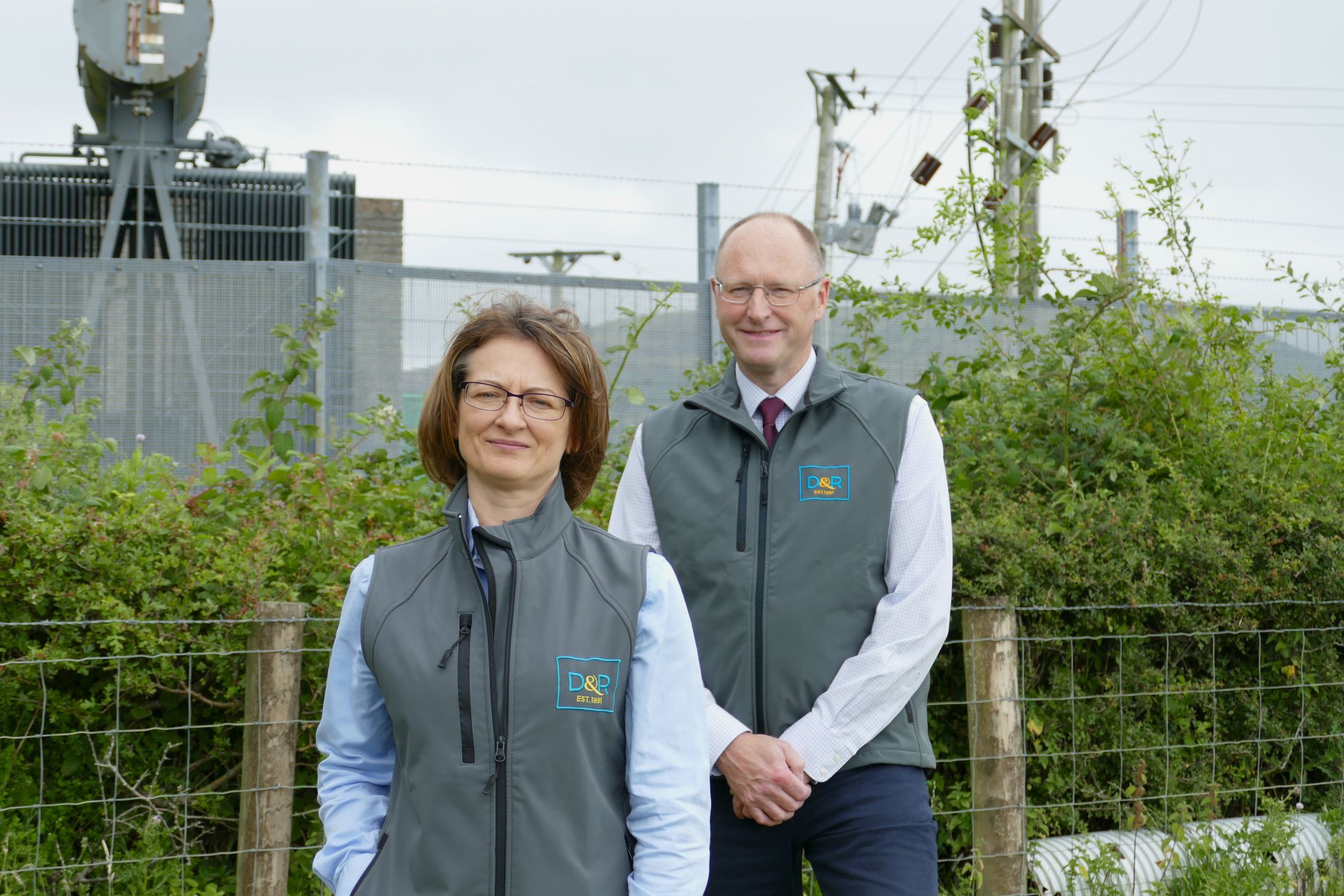
Davidson & Robertson (D&R) has been advising clients affected by this project from the outset. D& R Director Paul Robinson said “Upgrading this section of the Cumbria Ring will provide a more reliable, resilient power supply and will almost double network capacity once the Ring is fully modernised. However, it also comes at a cost to farmers and landowners, and for those affected, it is important to understand what to do first.
“Experience tells us that farmers and landowners do not always know where to start. In the first instance, if you are likely to be impacted, you will receive a formal letter. We always advise that the best opportunity to negotiate better terms on these matters is at the outset, before signing any paperwork.
“The next stage of work on the Cumbria Ring from Sellafield to Harker, will soon commence and there are other new or ongoing infrastructure projects in the county too. We have bolstered our specialist infrastructure team to accommodate that extra demand. Senior Associate Tracey Jackson, is a well-known figure in the industry and has vast experience including ongoing support for those affected by the West Cumbria Pipeline project.”
Commenting on the timeline for projects and claims, Tracey Jackson, said “Projects and claims are often more protracted than first anticipated, so it is very important that clients know at the very beginning, that their reasonable agent and legal fees are likely to be reimbursed by the infrastructure company as part of their compensation. It is crucial to take this up before signing any consents or agreements. It means you can receive professional advice from the earliest stage and throughout the development process to ensure that you are fairly represented and fully compensated – especially when projects can be long running.
“Your agent should be able to provide early feedback to ENW, and advise on access agreements, wayleaves and easements, mitigation of impacts and compensation claims. We also consider longer term, wider impacts and potential unforeseen consequences that may impede existing, or future alternative uses of the property.”
For those who have, or are likely to receive notifications, there are five core pieces of advice:
Appoint or contact your Land Agent as soon as you know your land will be impacted. The earlier an agent is engaged, the more scope they have to achieve the best outcome for your business.
Do not sign anything until you have taken advice as this could result in you missing out on compensation.
Mitigate losses – You are responsible for ensuring all losses, disturbances, and costs incurred as a result of the works are mitigated as much as possible. So, it is key that you understand how the proposed works will impact you and your land.
Know your rights – a good agent will advise you on your rights and options, explaining what is expected of you. They will also clarify how, claims usually come under loss of land use, disturbance, reinstatement, and client time.
Record your time – this is an area often overlooked by farmers, your hours are valuable so keep a detailed diary of time you spend talking with statutory undertakers, your Land Agent, and in accommodating the works to make sure you are fully compensated.
Whilst the electricity companies do have statutory powers allowing them to work on transmission lines, much can be negotiated, certainly on compensation packages and mitigation measures. They also have the right to take access to existing infrastructure for maintenance purposes, but again there is much to be agreed in advance of permitting entry.
Once the works are completed, the utility company is duty bound to reinstate the land back to its’ previous state, to the landowner/tenant’s reasonable satisfaction. It can sometimes take several years for land to get back to full production and, up until that point, compensation can be claimed to ensure that farmers are not left any worse off as a result of the works.
For Cumbrian landowners and tenants, Paul Robinson and Tracey Jackson are D&R specialists with the extensive experience representing landowners and farmers affected by major infrastructure work – including the Cumbria Ring.
Cumbria Farmer Network members can also call the free D&R helpline on 01900 409 001 for guidance on next steps.
For more information about support relating to infrastructure work in West Cumbria, contact Paul Robinson or Tracey Jackson at the D&R Cockermouth office on 01900 268 633.
